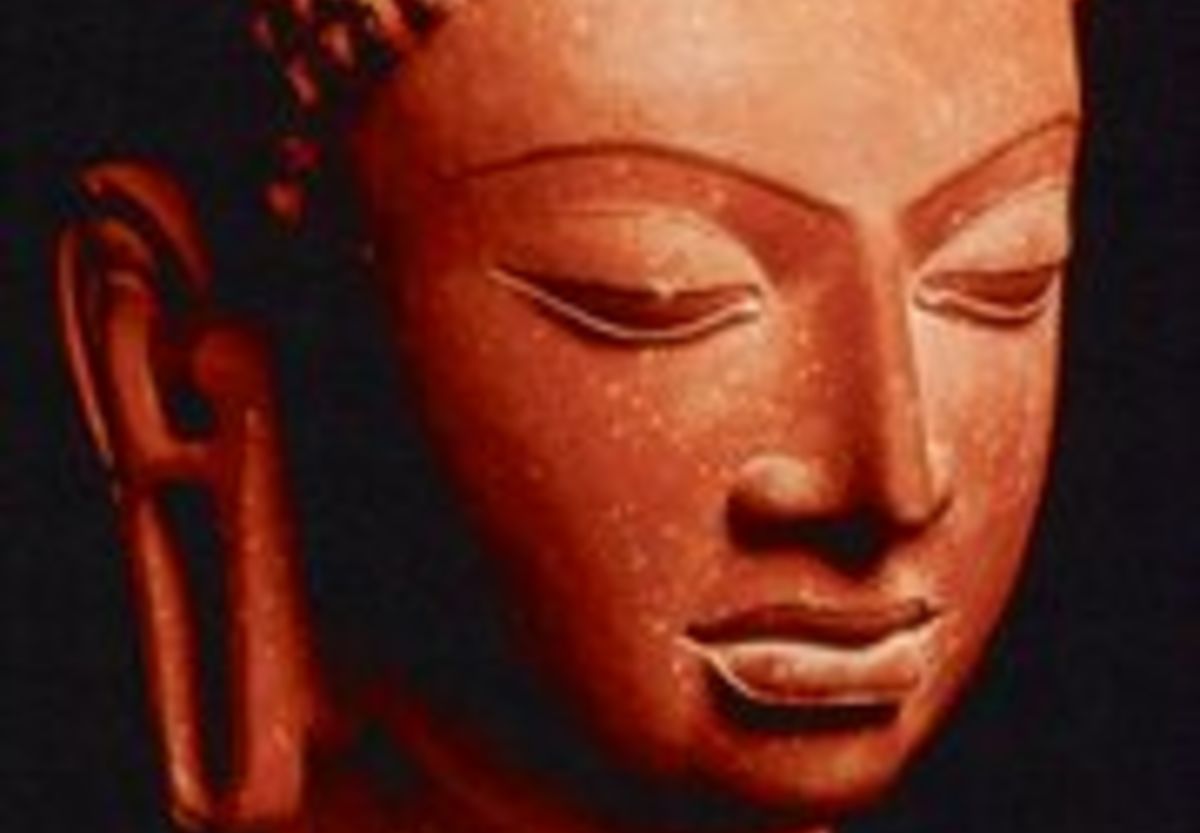
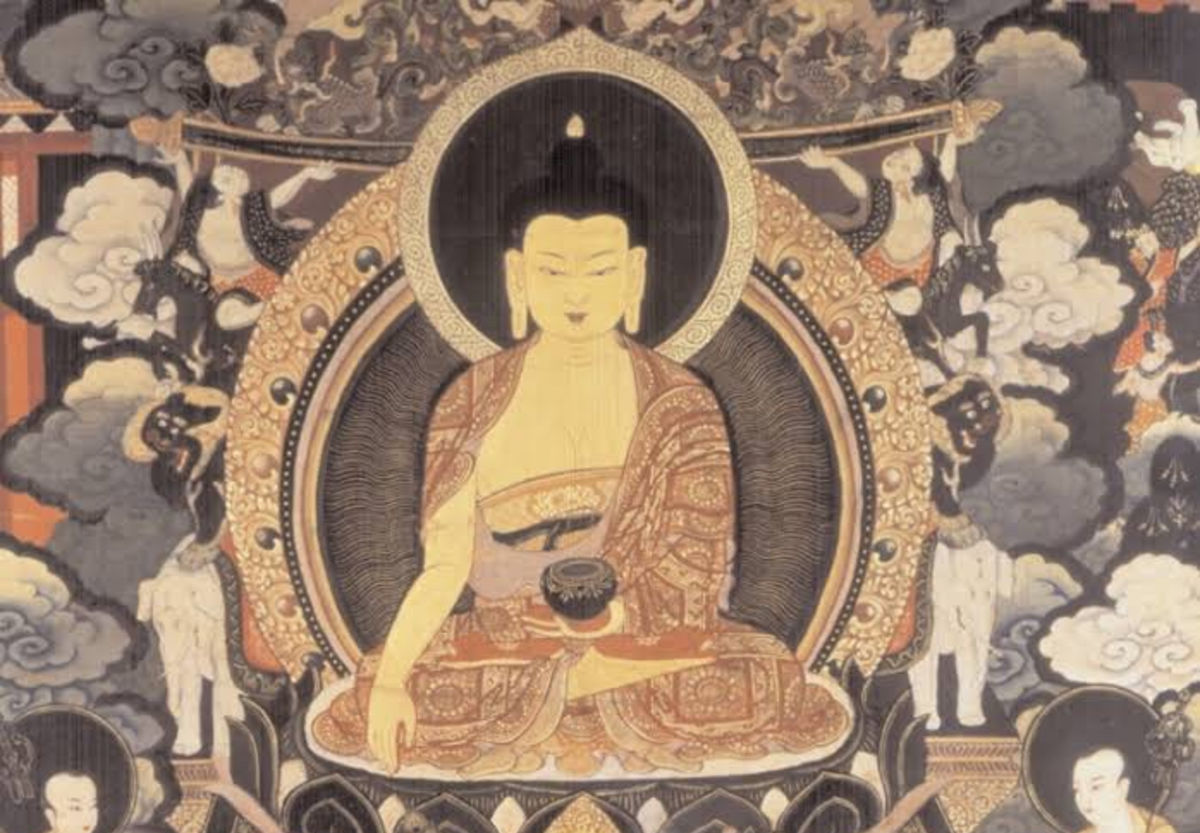
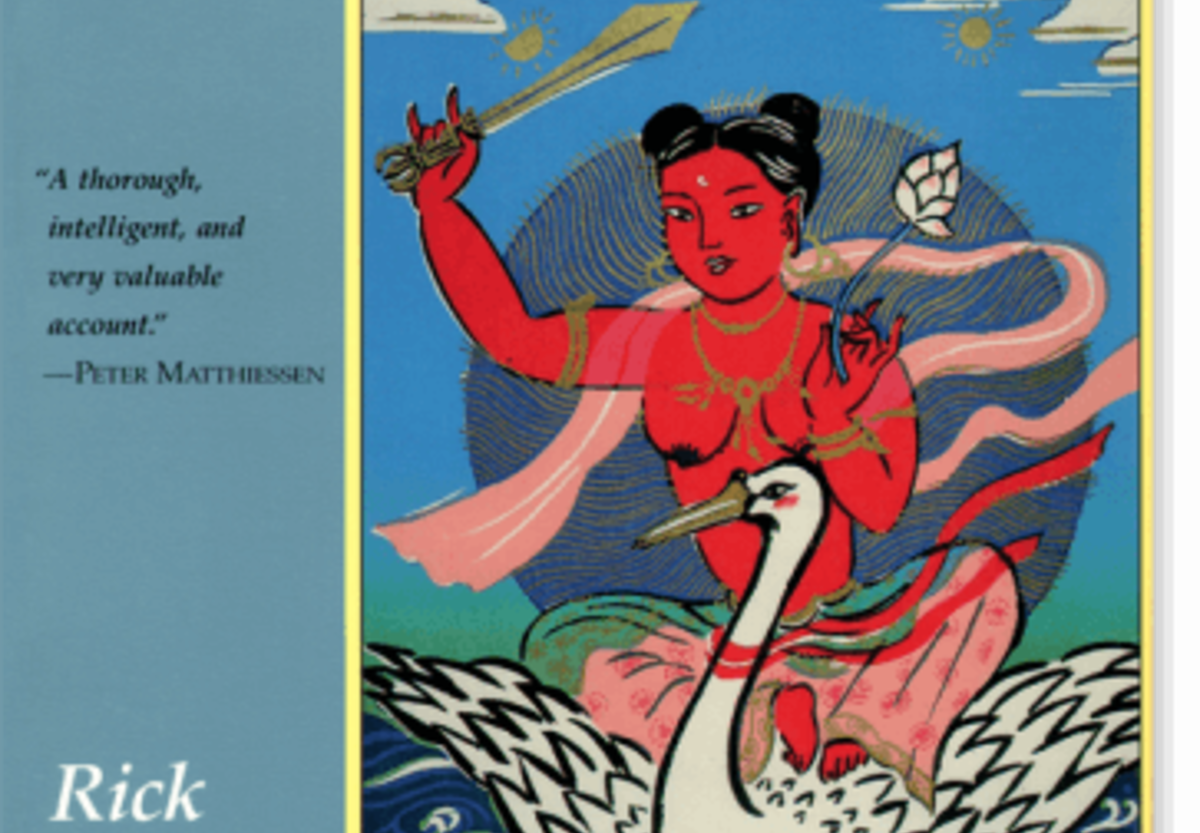
"Universal Gateway,” Chapter 25 of the Lotus Sūtra (Kamakura Period). Digital image: © The Metropolitan Museum of Art
Introductory Books on Buddhism (10)
The HCBSS often receives requests for recommended readings on Buddhism. Here are 10 reliable introductory books to start with, all still in print.
For more, including works on specific topics within Buddhism, see Bibliography on Buddhism (108), the reading list of 108 texts that our PhD students draw from for their qualifying examination in Buddhist Studies. We update both lists as the field changes.

Buddhism: A Very Short Introduction
As the title suggests, this book provides an overview of Buddhist basics in a little over 100 pages.
- Remains one of the most accessible introductions to Buddhism
- Introduces the teachings of the Buddha and the integration of Buddhism into daily life
- Looks at the distinctive features of Buddhism and how it differs from other religions
- Examines how Buddhist thought has developed over the centuries, including the contemporary spread in Asia
Keown, Damien. Buddhism: A Very Short Introduction. 2nd ed. Oxford: Oxford University Press, 2013.

An Introduction to Buddhism: Teachings, History and Practices
At 550 pages, this introduction provides much more detail than Keown on basic Buddhist concepts, practices, and history throughout Asia and in the West.
- Explores the tensions and continuities between the different forms of Buddhism
- Critiques and corrects some common misconceptions and mistranslations
- Discusses key concepts that have often been over-simplified and over-generalized
- Provides detailed references to scriptures and secondary literature
- Gives an updated bibliography
- Includes a section on web resources
Harvey, Peter, An Introduction to Buddhism: Teachings, History and Practices. 2nd ed. Cambridge: Cambridge University Press, 2013.

The Foundations of Buddhism
Rather than try to cover everything, Gethin focuses on a few key concepts that he explores in depth in about 300 pages.
- Begins with the narrative of the story of the Buddha
- Discusses textual traditions
- Provides the framework of the Four Noble Truths
- Examines the interactions between the monastic and lay ways of life
- Explores the cosmology of karma and rebirth
- Studies the path of the bodhisattva
Gethin, Rupert. The Foundations of Buddhism. Oxford: Oxford University Press, 1998.

Sayings of the Buddha: New Translations from the Pali Nikāyas
A handy selection of scriptures translated from the Pali in about 350 pages.
- Offers a good selection of the Buddha's most important sayings across a full range of themes and literary styles
- The most critically up-to-date edition
- Both scholarly and readable translations that offer a wide selection of complete discourses within a single volume
Gethin, Rupert. Sayings of the Buddha: New translations from the Pali Nikāyas (Oxford: Oxford University Press, 2008).

The Buddha: A Short Biography
A balanced introduction to what we know about the life of the Buddha and the stories Buddhists tell about him.
- Compares academic portraits of the Buddha with those of the Buddhist practitioners
- Illustrates how the Buddha's biography describes and reinforces Buddhist art, ritual, doctrine, and history—and vice versa
- Explains some Buddhist doctrines through the accounts of the events in the Buddha's life
- Incorporates materials that preceded the Buddha's birth: i.e., the discussion of the Buddha's previous lives
- Describes the biography of the Buddha through fragments, autonomous scriptural stories, and vernacular traditions
Strong, John. The Buddha : A Short Biography (Oxford: Oneworld, 2001).

Buddhist Scriptures
This is an inexpensive paperback that packs a wide range of Buddhist texts, translated from different languages, into one light (650-page) book.
- Brings together scriptures from a broad and geographical range
- Gathers works from Pali, Sanskrit, Tibetan, Chinese, and Japanese
- Provides tales of the Buddha's past lives
- Discusses qualities and qualifications for a monk
- Explores the many meanings of enlightenment
- Presents a vivid picture of the Buddha and of the nature of the Buddhist tradition
Lopez, Jr., Donald S., editor. Buddhist Scriptures (Penguin Classics) (London: Penguin, 2004).

Mahāyāna Buddhism: The Doctrinal Foundations
Williams' survey explores Mahāyāna doctrine in greater depth than other introductory books.
- Contains coverage of the major trends in Mahāyāna doctrine
- Covers developments in India as well as East Asia
- Addresses expressions of Mahāyāna ideas in practice
Williams, Paul. Mahāyāna Buddhism: The Doctrinal Foundations (London: Routledge; 2nd ed., 2009).

How to Read Buddhist Art
Most of the books on this list focus on texts. This is a slim, affordable introduction to Buddhist art, based on objects in the Metropolitan Museum in New York.
- Examines 54 masterpieces from The Met collection
- Explores how images of the Buddha crossed linguistic and cultural barriers
- Discusses how these images took on different, yet consistent, characteristics in India, Pakistan, Afghanistan, the Himalaya, China, Korea, Japan, Sri Lanka, Thailand, Cambodia, and Indonesia
- Helps the reader understand Buddhist art and practice
Behrendt, Kurt A. How to Read Buddhist Art (New York: The Metropolitan Museum of Art, 2020).

Charisma and Compassion: Cheng Yen and the Buddhist Tzu Chi Movement
Unlike the other works on this list, this is not a general, introductory work. It is, instead, one example of a growing body of ethnography on contemporary Buddhism in Asia, namely a dynamic Buddhist organization known as Tzu-Chi (Compassion Relief) and its founder, the Taiwanese Buddhist nun Cheng-yen.
- Examines the movement of the Buddhist organization, Tzu-Chi, in Taiwan, Malaysia, Japan, and the United States
- Discusses Tzu-Chi's relationship with NGOs and humanitarian organizations
- Explores the nature of Tzu-Chi's Buddhist transnationalism, which is global in scope and local in practice
- Explains how Tzu-Chi's identity is intimately tied to its founder and leader, Cheng-yen
Huang, C. Julia. Charisma and Compassion : Cheng Yen and the Buddhist Tzu Chi Movement (Cambridge MA: Harvard University Press, 2009).

How the Swans Came to the Lake: A Narrative History of Buddhism in America
A lot has happened in American Buddhism since 1992, but this remains among the most engaging accounts of the fascinating figures and trends behind the introduction of Buddhism to America.
- Period-by-period narrative of the history of Buddhism in America
- Discusses major developments in Buddhist tradition and early Buddhist contacts with the West
- Describes the beginnings of European Orientalism, as well as Chinese and Japanese immigration
- Presents the transmission of Zen and Tibetan Vajrayāna to America
Fields, Rick. How the Swans Came to the Lake: A Narrative History of Buddhism in America (Boston: Shambhala, 1992).